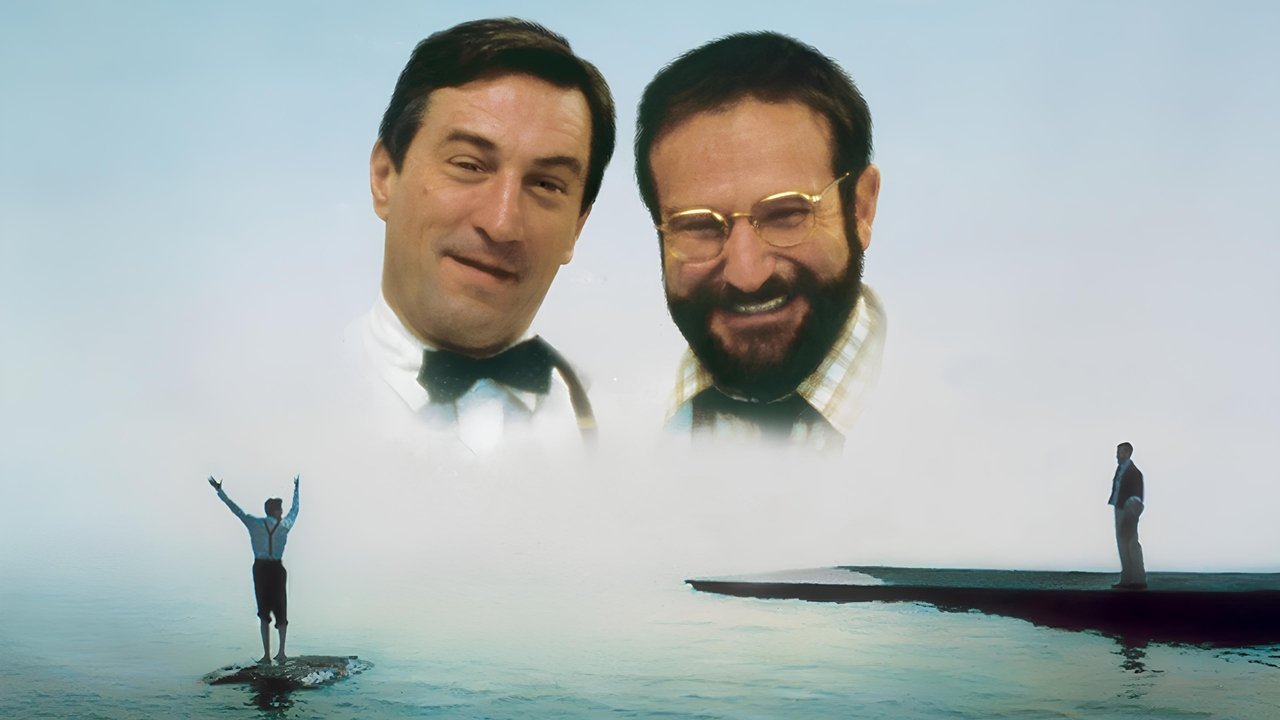
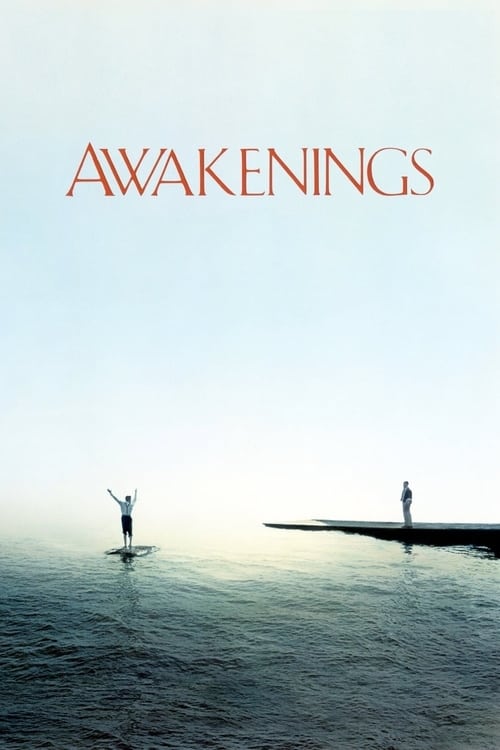
Awakenings
1990 · 120 min · Director: Penny Marshall
Show plot summary (may contain spoilers)
1969. Dr. Malcolm Sayer is hired as a clinical physician at a local hospital in the Bronx, despite he only having a research background. The job is not ideal on his side as he has difficulties relating to people which is the reason he has focused on research projects not involving human subjects, while the hospital hires him somewhat out of desperation in not finding anyone else with the qualifications who wants the job. Most of his patients are in a semi-catatonic state and are housed in what some of the orderlies coin the "garden" ward, where all they can do for the patients is water and feed them. He notices that some of the patients, despite their generally catatonic state, respond in unusual ways to certain stimuli. In doing some research, he also finds that some common bonds between these patients are that they suffered from encephalitis in the 1920s or 1930s, and that their physical states are like they have Parkinson's disease frozen in time. As such, he is able to convince, albeit reluctantly, his skeptical boss, Dr. Kaufman, to administer an expensive experimental drug therapy on only one patient with family consent. That patient is forty-one year old Leonard Lowe, who has been in his current state since he was eleven years old, and who has been supported by his loving mother through all these years. As the drug therapy "awakens" Leonard, there are several issues that come into play. Malcolm has to try and convince Kaufman and the hospital administration to extend the therapy to the other patients. Despite not knowing the long term effects, Leonard, who was aware of his surroundings through his catatonic state, may have mixed emotions about his situation, wanting both to be treated as human being and an experiment guinea pig to ensure that what is happening benefits him and others in the long run. Mrs. Lowe may be unprepared for the new Leonard, she expecting who she remembers as a sweet eleven year old boy. Through all these issues, what may be the most illuminating issue for Malcolm is the need to stimulate the human spirit, including his own in dealing with people around him.
Emotional fingerprint
Awakenings (1990) — Movie. Top emotional signals: Empathy 30%, Sadness 25%, Love 20%. Source: AI estimate. Shares describe emotional signal, not percentages of people. Your experience may differ. How we measure
AI estimate · no viewer votes yet
How we measure
AI estimate
Share of emotional signal, not the percentage of people or a probability of enjoyment.
Each viewer contributes one response, split equally across their selected emotions. When available, an automated estimate supplies a prior that is blended with those responses. Counts include distinct viewers, not automated estimates or archived anonymous votes. Fewer than 3 viewers is an early estimate; more responses do not guarantee certainty.
Why it feels this way
The strongest emotional signals are Empathy, Sadness, Love. Genres: Drama, Biography. AI estimate.
Is it worth watching?
Consider this title if you are looking for Empathy, Sadness and Love. Its IMDb rating of 7.8/10 suggests a generally positive audience reception. For these leading emotions, its Feel Score is 74/100.
How did it make you feel?
Votes are saved to the fingerprint once you’re signed in.
Pick up to three · 0/3
Emotional journey
- Empathy
- Sadness
- Hope
Not enough subtitle evidence
No dominant emotion
Dominant emotion: Sadness
Dominant emotion: Empathy
Dominant emotion: Hope
Dominant emotion: Joy
Dominant emotion: Tension
Dominant emotion
| % | Approximate minute | Dominant emotion | Overall intensity | Empathy | Sadness | Hope |
|---|---|---|---|---|---|---|
| 2.5 % | ≈ 3′ | Sadness | 32 % | 28 % | 22 % | 7 % |
| 7.5 % | ≈ 9′ | Empathy | 38 % | 36 % | 29 % | 13 % |
| 12.5 % | ≈ 15′ | Sadness | 44 % | 44 % | 38 % | 20 % |
| 17.5 % | ≈ 21′ | Sadness | 50 % | 49 % | 45 % | 19 % |
| 22.5 % | ≈ 27′ | Sadness | 57 % | 55 % | 50 % | 19 % |
| 27.5 % | ≈ 33′ | Empathy | 57 % | 55 % | 46 % | 29 % |
| 32.5 % | ≈ 39′ | Sadness | 57 % | 53 % | 41 % | 41 % |
| 37.5 % | ≈ 45′ | Hope | 65 % | 56 % | 31 % | 57 % |
| 42.5 % | ≈ 51′ | Joy | 71 % | 61 % | 18 % | 66 % |
| 47.5 % | ≈ 57′ | Joy | 68 % | 59 % | 15 % | 60 % |
| 52.5 % | ≈ 63′ | Hope | 66 % | 58 % | 19 % | 60 % |
| 57.5 % | ≈ 69′ | Hope | 69 % | 60 % | 23 % | 59 % |
| 62.5 % | ≈ 75′ | Empathy | 58 % | 54 % | 29 % | 40 % |
| 67.5 % | ≈ 81′ | Empathy | 51 % | 49 % | 32 % | 26 % |
| 72.5 % | ≈ 87′ | Tension | 65 % | 57 % | 41 % | 23 % |
| 77.5 % | ≈ 93′ | Sadness | 77 % | 69 % | 59 % | 21 % |
| 82.5 % | ≈ 99′ | Sadness | 83 % | 76 % | 73 % | 20 % |
| 87.5 % | ≈ 105′ | Sadness | 86 % | 81 % | 80 % | 18 % |
| 92.5 % | ≈ 111′ | Sadness | 83 % | 75 % | 65 % | 34 % |
| 97.5 % | ≈ 117′ | Hope | 75 % | 63 % | 37 % | 57 % |
Icarus
Rags to riches: The emotional tone rises from negative to positive.
Riches to rags: The emotional tone falls from positive to negative.
Man in a hole: The tone falls, then recovers.
Icarus: The tone rises, then falls.
Cinderella: The tone rises, falls, then rises again.
Oedipus: The tone falls, rises, then falls again.
AI reading of the film’s English subtitles (dialogue and sound cues) — not viewer votes. How we measure ↗
Kadri — your film companion
AIAsk anything about Awakenings. From the film’s own dialogue and FeelDB data, at your spoiler level.
Afterward Reveal viewer responses · may contain spoilers
Viewer responses about feelings after the title ended, separate from feelings while watching. No AI estimates.
0 responses so far
Feeling details appear after at least 3 viewers respond, to protect privacy.
Cast

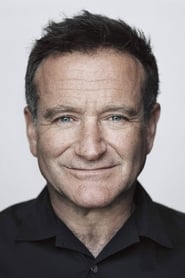

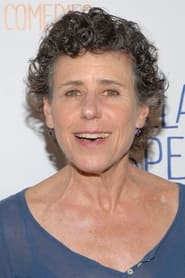

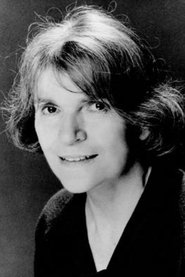
Mrs. Lowe

Rolando

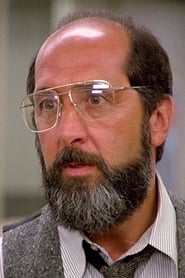
Lolly
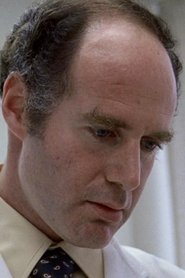

Dr. Sullivan
Details
- Directed by
- Penny Marshall
- Written by
- Oliver Sacks, Steven Zaillian
- Type
- Movies
- Released
- 1990
- Runtime
- 120 min
- Country
- United States
- Ratings
- Feels mostly
- Empathy
- Data updated
Where to watch
Subscription


Rent


Feels similar
More like this →Emotion overlap shows mood similarity, not a prediction of enjoyment.