
Peter's Friends
1992 · 101 min · Director: Kenneth Branagh
Show plot summary (may contain spoilers)
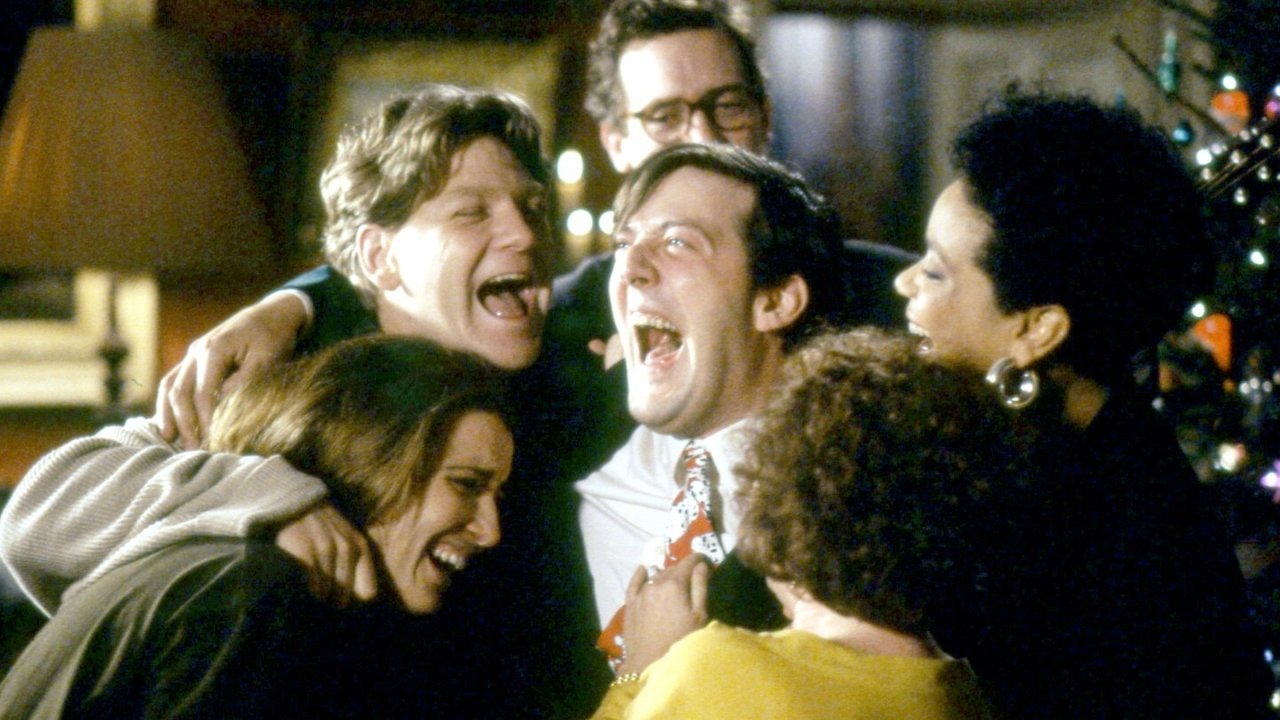
Upon the passing of his wealthy father and learning that his father made arrangements to provide comfortably for his long time servant, the housekeeper/cook Vera, and her son Paul, Peter is free to decide what to do with his father's vast country estate without having to worry about what would happen to Vera and Paul if he did sell. What Peter decides first and foremost is to host a New Year's Eve party at the estate with his best friends from Cambridge, a group of six, including himself, who performed together in an acting troupe, the last time being exactly ten years ago upon their graduation, that one a bawdy performance also at a New Year's party at the estate for and unappreciated by Peter's father and his conservative friends, before the six went their separate ways into adulthood. What happens at this gathering will be affected by the issues with which each person is now facing, including the secret Peter has been keeping, it the reason he felt the want to get his friends together at this time. Hollywood TV writer Andrew, Peter's best friend, is accompanied by Carol, his vacuous American television star wife, their marriage buckling under the strain of her quest for greater fame. Married jingle writers Roger and Mary are still dealing with the death of one of their twin babies nine months ago, Mary who has now turned into the most overprotective mother at the expense of all else, arguably including their marriage. Theater costume designer Sarah is accompanied by brash actor Brian, her latest boyfriend of two weeks, he who is just the latest type in her choice of the wrong man, that type in being unattainable, in Brian's case he being already married. And mousy cat lady Maggie, who works for a publishing company, in her loneliness pines for one of her friends, namely Peter, the one that is available - sort of.
Emotional fingerprint
Peter's Friends (1992) — Movie. Top emotional signals: Nostalgia 30%, Humor 25%, Empathy 20%. Source: AI estimate. Shares describe emotional signal, not percentages of people. Your experience may differ. How we measure
AI estimate · no viewer votes yet
How we measure
AI estimate
Share of emotional signal, not the percentage of people or a probability of enjoyment.
Each viewer contributes one response, split equally across their selected emotions. When available, an automated estimate supplies a prior that is blended with those responses. Counts include distinct viewers, not automated estimates or archived anonymous votes. Fewer than 3 viewers is an early estimate; more responses do not guarantee certainty.
Why it feels this way
The strongest emotional signals are Nostalgia, Humor, Empathy. Genres: Comedy, Drama, Romance. AI estimate.
Is it worth watching?
Consider this title if you are looking for Nostalgia, Humor and Empathy. Its IMDb rating of 7.0/10 suggests a generally positive audience reception. For these leading emotions, its Feel Score is 70/100.
How did it make you feel?
Votes are saved to the fingerprint once you’re signed in.
Pick up to three · 0/3
Emotional journey
- Empathy
- Sadness
- Humor
Not enough subtitle evidence
No dominant emotion
Dominant emotion: Nostalgia
Dominant emotion: Empathy
Dominant emotion: Humor
Dominant emotion: Sadness
Dominant emotion: Tension
Dominant emotion
| % | Approximate minute | Dominant emotion | Overall intensity | Empathy | Sadness | Humor |
|---|---|---|---|---|---|---|
| 2.5 % | ≈ 3′ | Nostalgia | 47 % | 25 % | 17 % | 32 % |
| 7.5 % | ≈ 8′ | Empathy | 44 % | 30 % | 19 % | 26 % |
| 12.5 % | ≈ 13′ | Humor | 45 % | 29 % | 18 % | 34 % |
| 17.5 % | ≈ 18′ | Humor | 46 % | 24 % | 18 % | 41 % |
| 22.5 % | ≈ 23′ | Sadness | 43 % | 21 % | 20 % | 36 % |
| 27.5 % | ≈ 28′ | Nostalgia | 41 % | 19 % | 15 % | 35 % |
| 32.5 % | ≈ 33′ | Humor | 46 % | 20 % | 11 % | 41 % |
| 37.5 % | ≈ 38′ | Humor | 51 % | 25 % | 15 % | 44 % |
| 42.5 % | ≈ 43′ | Nostalgia | 54 % | 33 % | 23 % | 40 % |
| 47.5 % | ≈ 48′ | Tension | 63 % | 50 % | 41 % | 35 % |
| 52.5 % | ≈ 53′ | Sadness | 70 % | 64 % | 55 % | 36 % |
| 57.5 % | ≈ 58′ | Humor | 63 % | 54 % | 41 % | 46 % |
| 62.5 % | ≈ 63′ | Humor | 53 % | 39 % | 25 % | 49 % |
| 67.5 % | ≈ 68′ | Humor | 50 % | 37 % | 25 % | 41 % |
| 72.5 % | ≈ 73′ | Nostalgia | 53 % | 45 % | 34 % | 33 % |
| 77.5 % | ≈ 78′ | Sadness | 59 % | 48 % | 39 % | 28 % |
| 82.5 % | ≈ 83′ | Tension | 70 % | 53 % | 44 % | 26 % |
| 87.5 % | ≈ 88′ | Empathy | 81 % | 71 % | 56 % | 23 % |
| 92.5 % | ≈ 93′ | Empathy | 83 % | 82 % | 58 % | 22 % |
| 97.5 % | ≈ 98′ | Not enough subtitle evidence | Not enough subtitle evidence | Not enough subtitle evidence | Not enough subtitle evidence | Not enough subtitle evidence |
Riches to rags
Rags to riches: The emotional tone rises from negative to positive.
Riches to rags: The emotional tone falls from positive to negative.
Man in a hole: The tone falls, then recovers.
Icarus: The tone rises, then falls.
Cinderella: The tone rises, falls, then rises again.
Oedipus: The tone falls, rises, then falls again.
AI reading of the film’s English subtitles (dialogue and sound cues) — not viewer votes. How we measure ↗
Kadri — your film companion
AIAsk anything about Peter's Friends. From the film’s own dialogue and FeelDB data, at your spoiler level.
Afterward Reveal viewer responses · may contain spoilers
Viewer responses about feelings after the title ended, separate from feelings while watching. No AI estimates.
0 responses so far
Feeling details appear after at least 3 viewers respond, to protect privacy.
Cast





Sarah Johnson
Carol Benson
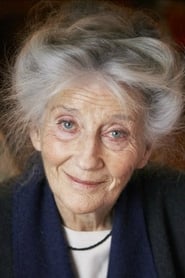
Brian
Paul (aged 17)
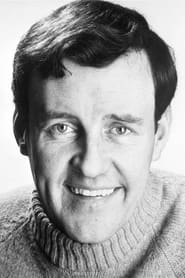
Paul (aged 7)
Woman at Airport
Brenda
Old Lady
Ben Charleston
Chauffeur
Details
- Directed by
- Kenneth Branagh
- Written by
- Rita Rudner, Martin Bergman
- Type
- Movies
- Released
- 1992
- Runtime
- 101 min
- Country
- United Kingdom
- Ratings
- Feels mostly
- Nostalgia
- Data updated
Where to watch
Subscription


Free


Feels similar
More like this →Emotion overlap shows mood similarity, not a prediction of enjoyment.