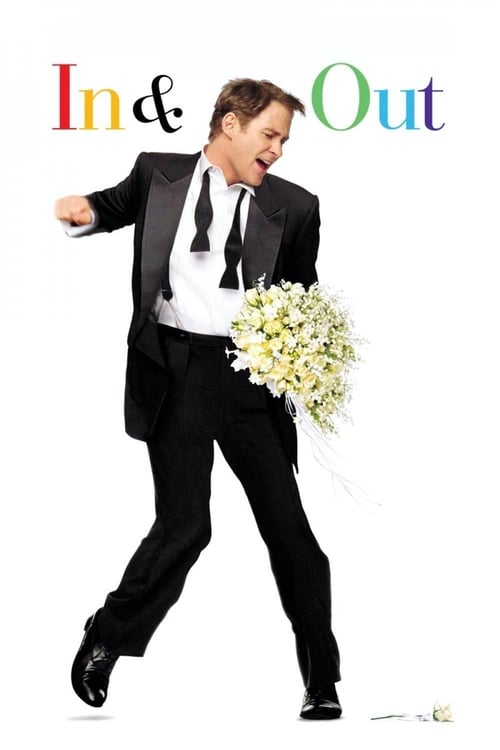
In & Out
1997 · 90 min · Director: Frank Oz
Show plot summary (may contain spoilers)
All of Greenleaf, Indiana is watching this year's telecast of the Oscars as Hollywood heartthrob and local boy made good Cameron Drake has been nominated for his first ever Best Actor Oscar for his latest movie role as a gay soldier. Cameron's high school English teacher Howard Brackett is overjoyed when Cameron wins the award and mentions Howard's contribution in his acting life. That joy turns to horror when Cameron mentions to the worldwide audience that Howard is gay, especially horrific to Howard as he is engaged to fellow teacher Emily Montgomery, a woman with self-esteem issues as she had battled weight issues most of her life before she lost seventy-five pounds for the wedding. Howard's life is totally disrupted as Hollywood media descends on Greenleaf in order to get Howard's story. The rest of Greenleaf also openly wonders if Howard is indeed gay, as he exhibits many stereotypical gay tendencies, such as being neat, and loving music, dancing, poetry and Barbra Streisand. His cause is not helped in that his and Emily's relationship has not yet been consummated. The one person not concerned is Emily, who trusts Howard. As Howard continues to deny being gay to his family, friends and colleagues, he begins to examine himself hypercritically if only because if others believe he's gay, there may be some merit to the claim, as well as because of an incident that occurs with Hollywood reporter Peter Malloy, who is doing a week-long piece on Howard leading up to his and Emily's wedding. But Cameron Drake may be able to provide some overall perspective to what is happening to Howard and the frenzy he has caused.
Emotional fingerprint
In & Out (1997) — Movie. Top emotional signals: Humor 30%, Empathy 25%, Anxiety 20%. Source: AI estimate. Shares describe emotional signal, not percentages of people. Your experience may differ. How we measure
AI estimate · no viewer votes yet
How we measure
AI estimate
Share of emotional signal, not the percentage of people or a probability of enjoyment.
Each viewer contributes one response, split equally across their selected emotions. When available, an automated estimate supplies a prior that is blended with those responses. Counts include distinct viewers, not automated estimates or archived anonymous votes. Fewer than 3 viewers is an early estimate; more responses do not guarantee certainty.
Why it feels this way
The strongest emotional signals are Humor, Empathy, Anxiety. Genres: Comedy, Romance. AI estimate.
Is it worth watching?
Consider this title if you are looking for Humor, Empathy and Anxiety. Its IMDb rating of 6.4/10 suggests a generally positive audience reception. For these leading emotions, its Feel Score is 67/100.
How did it make you feel?
Votes are saved to the fingerprint once you’re signed in.
Pick up to three · 0/3
Emotional journey
- Sympathy
- Humor
- Hope
Not enough subtitle evidence
No dominant emotion
Dominant emotion: Humor
Dominant emotion: Hope
Dominant emotion: Sympathy
Dominant emotion
| % | Approximate minute | Dominant emotion | Overall intensity | Sympathy | Humor | Hope |
|---|---|---|---|---|---|---|
| 2.5 % | ≈ 2′ | Humor | 42 % | 12 % | 30 % | 28 % |
| 7.5 % | ≈ 7′ | Hope | 49 % | 9 % | 35 % | 27 % |
| 12.5 % | ≈ 11′ | Humor | 59 % | 17 % | 49 % | 18 % |
| 17.5 % | ≈ 16′ | Humor | 63 % | 34 % | 51 % | 8 % |
| 22.5 % | ≈ 20′ | Humor | 63 % | 44 % | 49 % | 5 % |
| 27.5 % | ≈ 25′ | Humor | 60 % | 41 % | 51 % | 7 % |
| 32.5 % | ≈ 29′ | Humor | 58 % | 39 % | 51 % | 9 % |
| 37.5 % | ≈ 34′ | Sympathy | 59 % | 44 % | 46 % | 17 % |
| 42.5 % | ≈ 38′ | Hope | 64 % | 41 % | 50 % | 23 % |
| 47.5 % | ≈ 43′ | Humor | 71 % | 39 % | 54 % | 16 % |
| 52.5 % | ≈ 47′ | Sympathy | 76 % | 56 % | 41 % | 11 % |
| 57.5 % | ≈ 52′ | Sympathy | 71 % | 66 % | 35 % | 12 % |
| 62.5 % | ≈ 56′ | Sympathy | 61 % | 58 % | 40 % | 15 % |
| 67.5 % | ≈ 61′ | Sympathy | 63 % | 59 % | 46 % | 24 % |
| 72.5 % | ≈ 65′ | Sympathy | 64 % | 60 % | 45 % | 34 % |
| 77.5 % | ≈ 70′ | Hope | 60 % | 53 % | 36 % | 41 % |
| 82.5 % | ≈ 74′ | Sympathy | 65 % | 50 % | 34 % | 51 % |
| 87.5 % | ≈ 79′ | Hope | 70 % | 47 % | 35 % | 60 % |
| 92.5 % | ≈ 83′ | Not enough subtitle evidence | Not enough subtitle evidence | Not enough subtitle evidence | Not enough subtitle evidence | Not enough subtitle evidence |
| 97.5 % | ≈ 88′ | Not enough subtitle evidence | Not enough subtitle evidence | Not enough subtitle evidence | Not enough subtitle evidence | Not enough subtitle evidence |
Man in a hole
Rags to riches: The emotional tone rises from negative to positive.
Riches to rags: The emotional tone falls from positive to negative.
Man in a hole: The tone falls, then recovers.
Icarus: The tone rises, then falls.
Cinderella: The tone rises, falls, then rises again.
Oedipus: The tone falls, rises, then falls again.
AI reading of the film’s English subtitles (dialogue and sound cues) — not viewer votes. How we measure ↗
Afterward Reveal viewer responses · may contain spoilers
Viewer responses about feelings after the title ended, separate from feelings while watching. No AI estimates.
0 responses so far
Feeling details appear after at least 3 viewers respond, to protect privacy.
Cast

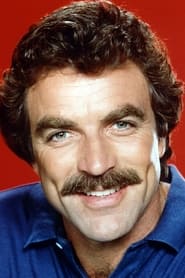
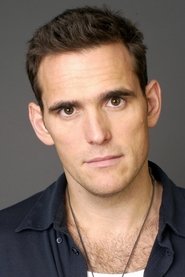

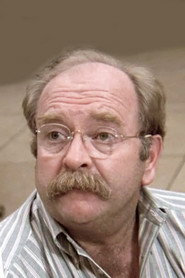

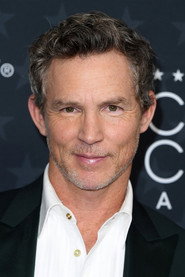


Ed Kenrow




Details
- Directed by
- Frank Oz
- Written by
- Paul Rudnick
- Type
- Movies
- Released
- 1997
- Runtime
- 90 min
- Country
- United States
- Ratings
- Feels mostly
- Humor
- Data updated
Where to watch


Rent


Feels similar
More like this →Emotion overlap shows mood similarity, not a prediction of enjoyment.