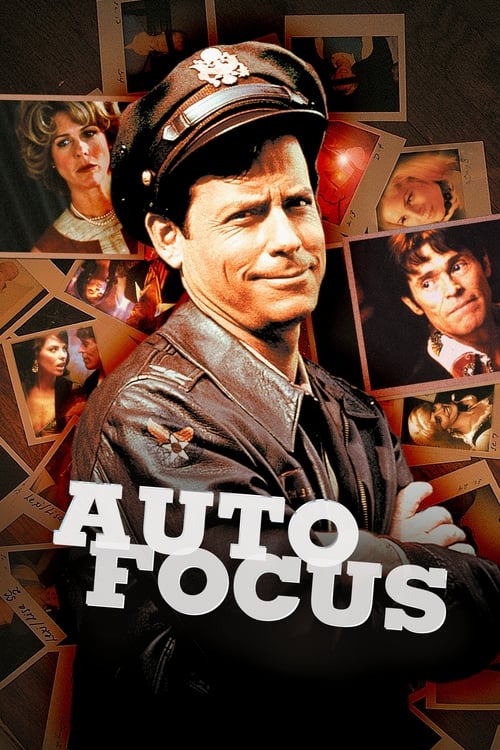
Auto Focus
2002 · 104 min · Director: Paul Schrader
Show plot summary (may contain spoilers)
In 1965, Bob Crane, who had achieved some earlier success as a television supporting actor, was working as a successful morning radio DJ at KNX Los Angeles. Despite enjoying his work, photography (especially of the female form) and drumming, Crane wanted to be a movie star. So it was with some reluctance that he accepted the title starring role in a new television sitcom called Hogan's Heroes (1965), a WWII POW comedy. To his surprise, the show became a hit and catapulted him to television stardom. The fame resulting from the show led to excesses and a meeting with home video salesman and technician John Carpenter, with who he would form a friendship based on their mutual interests, namely excessive sex (for Crane, purely heterosexual sex) and capturing nude females on celluloid. His fame allowed Crane to have as much sex as he wanted, which was incongruent to his somewhat wholesome television friendly image, and the way he portrayed himself to almost everyone except Carpenter and his extramarital sex partners. His sex addiction was somewhat known but ignored by his high school sweetheart/first wife Anne Crane née Terzian, but well known by his second wife, Patti Olson, better known as Sigrid Valdis, his Hogan's Heroes co-star. Especially after the end of Hogan's Heroes in 1971, this incongruence and his friendship with Carpenter, with who he would have a continuing love/hate relationship, would contribute to both his professional and personal downfall.
Emotional fingerprint
Auto Focus (2002) — Movie. Top emotional signals: Sadness 30%, Anxiety 25%, Empathy 20%. Source: AI estimate. Shares describe emotional signal, not percentages of people. Your experience may differ. How we measure
- Sadness30%
- Anxiety25%
- Empathy20%
- Nostalgia15%
- Disturbing10%
AI estimate · no viewer votes yet
How we measure
AI estimate
Share of emotional signal, not the percentage of people or a probability of enjoyment.
Each viewer contributes one response, split equally across their selected emotions. When available, an automated estimate supplies a prior that is blended with those responses. Counts include distinct viewers, not automated estimates or archived anonymous votes. Fewer than 3 viewers is an early estimate; more responses do not guarantee certainty.
Why it feels this way
The strongest emotional signals are Sadness, Anxiety, Empathy. Genres: Drama, Crime, Biography. AI estimate.
Is it worth watching?
Consider this title if you are looking for Sadness, Anxiety and Empathy. Its IMDb rating of 6.7/10 suggests a generally positive audience reception. For these leading emotions, its Feel Score is 69/100.
How did it make you feel?
Votes are saved to the fingerprint once you’re signed in.
Pick up to three · 0/3
Emotional journey
- Sadness
- Tension
- Humor
Not enough subtitle evidence
No dominant emotion
Dominant emotion: Humor
Dominant emotion: Curiosity
Dominant emotion: Sadness
Dominant emotion: Tension
Dominant emotion: Disturbing
Dominant emotion
| % | Approximate minute | Dominant emotion | Overall intensity | Sadness | Tension | Humor |
|---|---|---|---|---|---|---|
| 2.5 % | ≈ 3′ | Humor | 36 % | 2 % | 11 % | 35 % |
| 7.5 % | ≈ 8′ | Humor | 37 % | 6 % | 19 % | 31 % |
| 12.5 % | ≈ 13′ | Curiosity | 35 % | 9 % | 23 % | 26 % |
| 17.5 % | ≈ 18′ | Humor | 34 % | 6 % | 20 % | 26 % |
| 22.5 % | ≈ 23′ | Humor | 35 % | 3 % | 17 % | 28 % |
| 27.5 % | ≈ 29′ | Humor | 37 % | 8 % | 18 % | 28 % |
| 32.5 % | ≈ 34′ | Sadness | 38 % | 15 % | 26 % | 28 % |
| 37.5 % | ≈ 39′ | Tension | 40 % | 13 % | 33 % | 26 % |
| 42.5 % | ≈ 44′ | Disturbing | 41 % | 11 % | 32 % | 23 % |
| 47.5 % | ≈ 49′ | Humor | 44 % | 22 % | 32 % | 20 % |
| 52.5 % | ≈ 55′ | Sadness | 47 % | 35 % | 35 % | 16 % |
| 57.5 % | ≈ 60′ | Sadness | 41 % | 29 % | 30 % | 20 % |
| 62.5 % | ≈ 65′ | Humor | 36 % | 18 % | 25 % | 25 % |
| 67.5 % | ≈ 70′ | Tension | 41 % | 20 % | 33 % | 23 % |
| 72.5 % | ≈ 75′ | Tension | 48 % | 29 % | 40 % | 21 % |
| 77.5 % | ≈ 81′ | Sadness | 52 % | 42 % | 38 % | 16 % |
| 82.5 % | ≈ 86′ | Sadness | 53 % | 47 % | 40 % | 9 % |
| 87.5 % | ≈ 91′ | Tension | 57 % | 45 % | 48 % | 6 % |
| 92.5 % | ≈ 96′ | Sadness | 61 % | 47 % | 50 % | 4 % |
| 97.5 % | ≈ 101′ | Not enough subtitle evidence | Not enough subtitle evidence | Not enough subtitle evidence | Not enough subtitle evidence | Not enough subtitle evidence |
AI reading of the film’s English subtitles (dialogue and sound cues) — not viewer votes. How we measure ↗
Afterward Reveal viewer responses · may contain spoilers
Viewer responses about feelings after the title ended, separate from feelings while watching. No AI estimates.
0 responses so far
Feeling details appear after at least 3 viewers respond, to protect privacy.
Cast


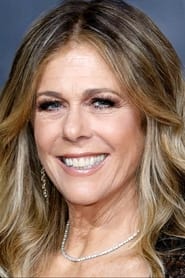

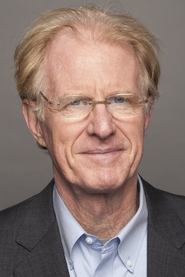
Richard Dawson
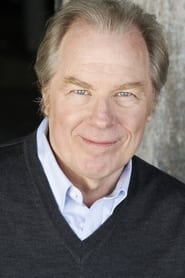
Robert Clary
Edward H. Feldman
Melissa / Mistress Victoria
Cynthia Lynn
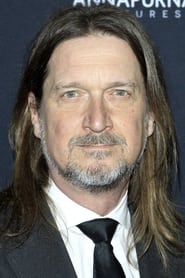
Victoria Berry
Cocktail Waitress
Dawson's Blond
Armand

Details
- Directed by
- Paul Schrader
- Written by
- Robert Graysmith, Michael Gerbosi
- Type
- Movies
- Released
- 2002
- Runtime
- 104 min
- Country
- United States
- Ratings
- Feels mostly
- Sadness
- Data updated
Where to watch
Subscription


Rent


Feels similar
More like this →Emotion overlap shows mood similarity, not a prediction of enjoyment.