
Being Julia
2004 · 104 min · Director: István Szabó
Show plot summary (may contain spoilers)
1938. Julia Lambert (Annette Bening) and Michael Gosselyn (Jeremy Irons) are the royal couple of the London theater scene, Julia, an actress, and Michael, a former actor, who took over running the theater and its troupe after the death of their mentor, Jimmy Langton (Sir Michael Gambon). Jimmy is still constantly with Julia in spirit as she navigates through life. Besides their work, Julia and Michael lead largely separate lives, they, long ago having stopped a sexual relationship. Julia of late has been feeling disenchanted with her life, she not wanting to admit it's because she is approaching middle age. Her disenchantments manifests itself in wanting Michael to close their current production early so that she can recharge her juices, something he is reluctant to do if only for not wanting to let the theater sit empty. What Julia ends up doing instead is embarking on an affair with Tom Fennel (Shaun Evans), an adoring young American who is young enough to be her son. As Julia and Tom's relationship progresses, the more she falls in love with him and becomes dependent upon him for her happiness. But as she finds out that Tom is not as innocent and shy as he first made himself to seem, she may learn that Tom cannot be that direct conduit to happiness and fulfillment at this stage in her life. However, she may find an avenue through Tom that may truly re-energize her for herself.
Emotional fingerprint
Being Julia (2004) — Movie. Top emotional signals: Humor 27%, Anxiety 23%, Empathy 20%. Source: AI estimate. Shares describe emotional signal, not percentages of people. Your experience may differ. How we measure
- Humor27%
- Anxiety23%
- Empathy20%
- Anger18%
- Satisfaction12%
AI estimate · no viewer votes yet
How we measure
AI estimate
Share of emotional signal, not the percentage of people or a probability of enjoyment.
Each viewer contributes one response, split equally across their selected emotions. When available, an automated estimate supplies a prior that is blended with those responses. Counts include distinct viewers, not automated estimates or archived anonymous votes. Fewer than 3 viewers is an early estimate; more responses do not guarantee certainty.
Why it feels this way
The strongest emotional signals are Humor, Anxiety, Empathy. Genres: Comedy, Drama, Romance. AI estimate.
Is it worth watching?
Consider this title if you are looking for Humor, Anxiety and Empathy. Its IMDb rating of 7.0/10 suggests a generally positive audience reception. For these leading emotions, its Feel Score is 69/100.
How did it make you feel?
Votes are saved to the fingerprint once you’re signed in.
Pick up to three · 0/3
Emotional journey
- Humor
- Satisfaction
- Sadness
Not enough subtitle evidence
No dominant emotion
Dominant emotion: Sadness
Dominant emotion: Humor
Dominant emotion: Love
Dominant emotion: Tension
Dominant emotion: Satisfaction
Dominant emotion
| % | Approximate minute | Dominant emotion | Overall intensity | Humor | Satisfaction | Sadness |
|---|---|---|---|---|---|---|
| 2.5 % | ≈ 3′ | Sadness | 40 % | 27 % | 5 % | 28 % |
| 7.5 % | ≈ 8′ | Humor | 41 % | 34 % | 9 % | 26 % |
| 12.5 % | ≈ 13′ | Sadness | 44 % | 31 % | 9 % | 33 % |
| 17.5 % | ≈ 18′ | Love | 49 % | 26 % | 14 % | 29 % |
| 22.5 % | ≈ 23′ | Love | 54 % | 33 % | 25 % | 15 % |
| 27.5 % | ≈ 29′ | Love | 51 % | 36 % | 24 % | 11 % |
| 32.5 % | ≈ 34′ | Humor | 45 % | 34 % | 11 % | 13 % |
| 37.5 % | ≈ 39′ | Humor | 45 % | 29 % | 4 % | 20 % |
| 42.5 % | ≈ 44′ | Tension | 54 % | 20 % | 3 % | 39 % |
| 47.5 % | ≈ 49′ | Sadness | 58 % | 19 % | 4 % | 45 % |
| 52.5 % | ≈ 55′ | Humor | 53 % | 25 % | 5 % | 33 % |
| 57.5 % | ≈ 60′ | Tension | 57 % | 23 % | 4 % | 39 % |
| 62.5 % | ≈ 65′ | Sadness | 61 % | 19 % | 4 % | 51 % |
| 67.5 % | ≈ 70′ | Love | 49 % | 25 % | 9 % | 38 % |
| 72.5 % | ≈ 75′ | Humor | 43 % | 29 % | 11 % | 29 % |
| 77.5 % | ≈ 81′ | Sadness | 46 % | 28 % | 10 % | 28 % |
| 82.5 % | ≈ 86′ | Humor | 52 % | 39 % | 18 % | 14 % |
| 87.5 % | ≈ 91′ | Humor | 68 % | 60 % | 41 % | 5 % |
| 92.5 % | ≈ 96′ | Satisfaction | 74 % | 57 % | 61 % | 14 % |
| 97.5 % | ≈ 101′ | Satisfaction | 65 % | 35 % | 60 % | 28 % |
Man in a hole
Rags to riches: The emotional tone rises from negative to positive.
Riches to rags: The emotional tone falls from positive to negative.
Man in a hole: The tone falls, then recovers.
Icarus: The tone rises, then falls.
Cinderella: The tone rises, falls, then rises again.
Oedipus: The tone falls, rises, then falls again.
AI reading of the film’s English subtitles (dialogue and sound cues) — not viewer votes. How we measure ↗
Kadri — your film companion
AIAsk anything about Being Julia. From the film’s own dialogue and FeelDB data, at your spoiler level.
Afterward Reveal viewer responses · may contain spoilers
Viewer responses about feelings after the title ended, separate from feelings while watching. No AI estimates.
0 responses so far
Feeling details appear after at least 3 viewers respond, to protect privacy.
Cast



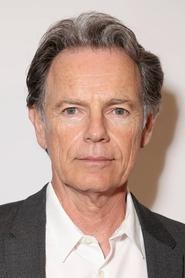

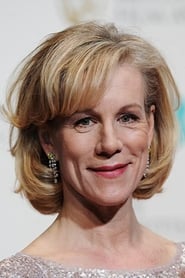







Florence
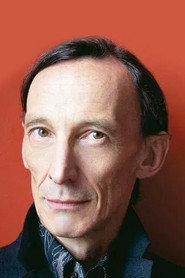
Details
- Directed by
- István Szabó
- Written by
- Ronald Harwood, W. Somerset Maugham
- Type
- Movies
- Released
- 2004
- Runtime
- 104 min
- Country
- Canada, United States, Hungary, United Kingdom
- Ratings
- Feels mostly
- Humor
- Data updated
Where to watch

Rent


Feels similar
More like this →Emotion overlap shows mood similarity, not a prediction of enjoyment.