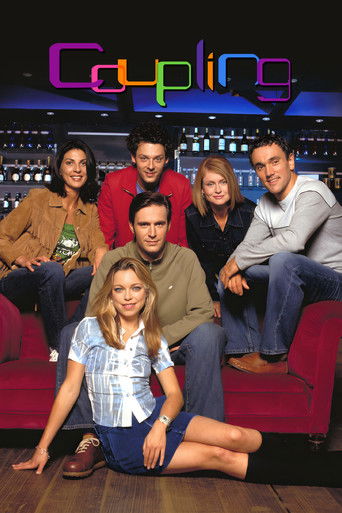
Rabbit Without Ears 2
2009 · 124 min · Director: Til Schweiger, Torsten Künstler, Til Schweiger
Show plot summary (may contain spoilers)
Ludo Decker and Anna Gotzlowski have been living together for two years. Everyday routine has set in, with Ludo neglecting his household responsibilities much to Anna's dislike, while he is in turn annoyed by her constant complaining. When Ludo runs into his former lover Marie in the disco, and Anna's old boyfriend Ralf comes to stay in their flat for a few days, the young couple faces serious jealousy and doubt in their relationship. Anna secretly reads Ludo's phone messages, while he in turn stumbles upon "The List", an account of Anna's former lovers-including Ralf, who scores better than Ludo does. After a number of provocations, Ludo beats Ralf in a restaurant, and angrily leaves Anna. Even though the two still strongly care for each other, they end up sleeping with their respective ex-lovers. Ralf confesses that he never stopped loving Anna, but she rejects him and tells Ludo what happened. Even though Ludo has cheated on her as well, he angrily argues that she herself told him that, unlike men, women do not actually sleep with someone without feelings being involved. Anna begs him to come home, but he only says that he has no home any more, and leaves. Meanwhile, Ludo's best friend Moritz desperately tries to get more successful with women, and ends up in a number of absurd situations. In the end, he meets a young and beautiful sex-addict named Lana. After a few weeks, Anna receives a letter from Ludo, who has traveled back to the place where they spent their first and only vacation together. He writes that he misses her terribly, and that he wants nothing more than to come back, have children, and spend the rest of his life with her. Anna follows him and finds him on a lonely beach, where she tells him that she wants a "little Ludo" before they can talk about a "little Anna". In the end, they return home together.
Emotional fingerprint
Rabbit Without Ears 2 (2009) — Movie. Top emotional signals: Humor 30%, Love 25%, Joy 20%. Source: AI estimate. Shares describe emotional signal, not percentages of people. Your experience may differ. How we measure
- Humor30%
- Love25%
- Joy20%
- Nostalgia15%
- Satisfaction10%
AI estimate · no viewer votes yet
How we measure
AI estimate
Share of emotional signal, not the percentage of people or a probability of enjoyment.
Each viewer contributes one response, split equally across their selected emotions. When available, an automated estimate supplies a prior that is blended with those responses. Counts include distinct viewers, not automated estimates or archived anonymous votes. Fewer than 3 viewers is an early estimate; more responses do not guarantee certainty.
Why it feels this way
The strongest emotional signals are Humor, Love, Joy. Genres: Comedy, Romance. AI estimate.
Is it worth watching?
Consider this title if you are looking for Humor, Love and Joy. Its IMDb rating of 5.6/10 suggests a mixed audience reception; consider how well the emotional profile suits you. For these leading emotions, its Feel Score is 58/100.
How did it make you feel?
Votes are saved to the fingerprint once you’re signed in.
Pick up to three · 0/3
Emotional journey
- Humor
- Sadness
- Love
Not enough subtitle evidence
No dominant emotion
Dominant emotion: Humor
Dominant emotion: Tension
Dominant emotion: Sadness
Dominant emotion: Love
Dominant emotion
| % | Approximate minute | Dominant emotion | Overall intensity | Humor | Sadness | Love |
|---|---|---|---|---|---|---|
| 2.5 % | ≈ 3′ | Humor | 52 % | 52 % | 0 % | 17 % |
| 7.5 % | ≈ 9′ | Humor | 53 % | 50 % | 3 % | 14 % |
| 12.5 % | ≈ 16′ | Humor | 51 % | 45 % | 10 % | 12 % |
| 17.5 % | ≈ 22′ | Humor | 51 % | 44 % | 14 % | 10 % |
| 22.5 % | ≈ 28′ | Humor | 53 % | 45 % | 16 % | 10 % |
| 27.5 % | ≈ 34′ | Tension | 57 % | 47 % | 16 % | 11 % |
| 32.5 % | ≈ 40′ | Humor | 59 % | 54 % | 10 % | 8 % |
| 37.5 % | ≈ 47′ | Humor | 58 % | 56 % | 9 % | 4 % |
| 42.5 % | ≈ 53′ | Humor | 54 % | 51 % | 12 % | 9 % |
| 47.5 % | ≈ 59′ | Humor | 51 % | 48 % | 10 % | 15 % |
| 52.5 % | ≈ 65′ | Humor | 57 % | 54 % | 5 % | 11 % |
| 57.5 % | ≈ 71′ | Humor | 64 % | 53 % | 10 % | 7 % |
| 62.5 % | ≈ 78′ | Tension | 66 % | 45 % | 25 % | 8 % |
| 67.5 % | ≈ 84′ | Humor | 61 % | 43 % | 31 % | 10 % |
| 72.5 % | ≈ 90′ | Tension | 60 % | 43 % | 32 % | 14 % |
| 77.5 % | ≈ 96′ | Tension | 64 % | 35 % | 40 % | 21 % |
| 82.5 % | ≈ 102′ | Sadness | 67 % | 23 % | 54 % | 34 % |
| 87.5 % | ≈ 109′ | Sadness | 75 % | 16 % | 65 % | 50 % |
| 92.5 % | ≈ 115′ | Love | 81 % | 14 % | 65 % | 66 % |
| 97.5 % | ≈ 121′ | Not enough subtitle evidence | Not enough subtitle evidence | Not enough subtitle evidence | Not enough subtitle evidence | Not enough subtitle evidence |
Riches to rags
Rags to riches: The emotional tone rises from negative to positive.
Riches to rags: The emotional tone falls from positive to negative.
Man in a hole: The tone falls, then recovers.
Icarus: The tone rises, then falls.
Cinderella: The tone rises, falls, then rises again.
Oedipus: The tone falls, rises, then falls again.
AI reading of the film’s English subtitles (dialogue and sound cues) — not viewer votes. How we measure ↗
Kadri — your film companion
AIAsk anything about Rabbit Without Ears 2. From the film’s own dialogue and FeelDB data, at your spoiler level.
Afterward Reveal viewer responses · may contain spoilers
Viewer responses about feelings after the title ended, separate from feelings while watching. No AI estimates.
0 responses so far
Feeling details appear after at least 3 viewers respond, to protect privacy.
Cast



Cheyenne-Blue


Girl in Shop
Details
- Directed by
- Til Schweiger, Torsten Künstler, Til Schweiger
- Written by
- Til Schweiger, Anika Decker
- Type
- Movies
- Released
- 2009
- Runtime
- 124 min
- Country
- Germany
- Ratings
- Feels mostly
- Humor
- Data updated
Where to watch
Also on
Availability varies by country
Feels similar
More like this →Emotion overlap shows mood similarity, not a prediction of enjoyment.