The Red Balloon
1956 · 34 min · Director: Albert Lamorisse
Show plot summary (may contain spoilers)
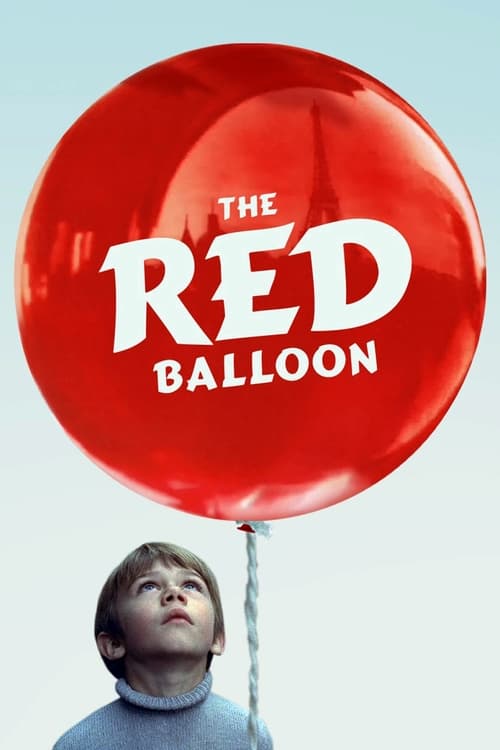
A young boy discovers a stray balloon, which seems to have a mind of its own, on the streets of Paris. The two become inseparable, yet the world’s harsh realities finally interfere.
Emotional fingerprint
The Red Balloon (1956) — Movie. Top emotional signals: Love 29%, Nostalgia 24%, Smile 20%. Source: AI estimate. Shares describe emotional signal, not percentages of people. Your experience may differ. How we measure
AI estimate · no viewer votes yet
How we measure
AI estimate
Share of emotional signal, not the percentage of people or a probability of enjoyment.
Each viewer contributes one response, split equally across their selected emotions. When available, an automated estimate supplies a prior that is blended with those responses. Counts include distinct viewers, not automated estimates or archived anonymous votes. Fewer than 3 viewers is an early estimate; more responses do not guarantee certainty.
Why it feels this way
The strongest emotional signals are Love, Nostalgia, Smile. Genres: Comedy, Drama, Fantasy. AI estimate.
Is it worth watching?
Consider this title if you are looking for Love, Nostalgia and Smile. Its IMDb rating of 8.1/10 suggests a strong audience reception. For these leading emotions, its Feel Score is 73/100.
How did it make you feel?
Votes are saved to the fingerprint once you’re signed in.
Pick up to three · 0/3
Afterward Reveal viewer responses · may contain spoilers
Viewer responses about feelings after the title ended, separate from feelings while watching. No AI estimates.
0 responses so far
Feeling details appear after at least 3 viewers respond, to protect privacy.
Cast
The Irritated Schoolmaster
Details
- Directed by
- Albert Lamorisse
- Written by
- Albert Lamorisse
- Type
- Movies
- Released
- 1956
- Runtime
- 34 min
- Country
- France
- Ratings
- Feels mostly
- Love
- Data updated
Where to watch
Subscription


Rent


Feels similar
More like this →Emotion overlap shows mood similarity, not a prediction of enjoyment.