Curiosity · Series
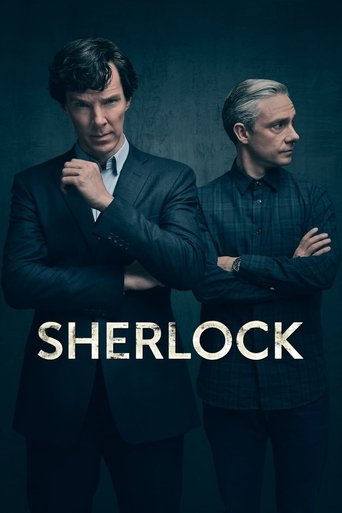
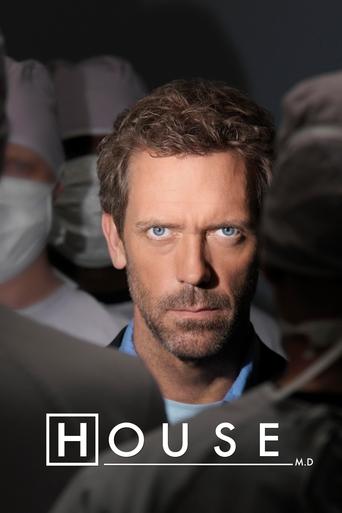
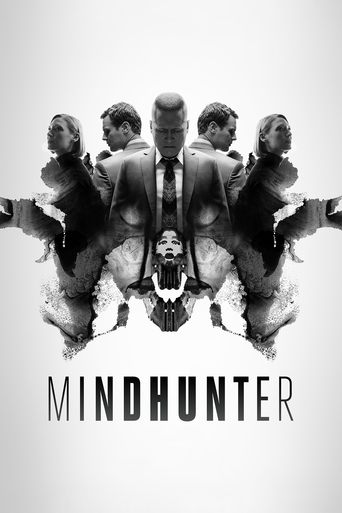
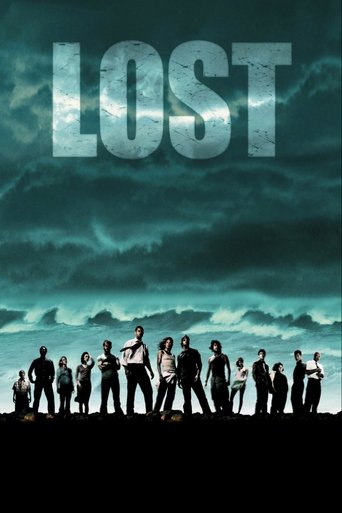
Start by deciding what you want to investigate: a puzzle, a person's behavior or an entire unfamiliar situation. "Sherlock" turns observation and deduction into energetic drama, making it a strong choice when you want to follow clues and enjoy a sharp central partnership. "House" moves the puzzle into medicine, balancing diagnostic uncertainty with abrasive humor. Pick it when a concrete problem gives you a satisfying reason to pay attention. "Lost" asks for a broader commitment. Its island survival story ties unanswered questions to the lives of the survivors, so it suits evenings when you want to form theories while becoming attached to an ensemble. "Mindhunter" directs curiosity toward criminal behavior and investigative methods. Its tension comes with disturbing subject matter, making it better suited to a focused, deliberate watch. Your tolerance for uncertainty is the useful deciding factor. If you want a clear question to organize an evening around, begin with detective or medical investigation. If you enjoy carrying possibilities between episodes, try a mystery that keeps expanding. For darker psychological material, leave enough attention to absorb the conversations and their implications.


















Frequently asked questions
Where should I start if I enjoy solving clues?
"Sherlock" foregrounds observation and deduction. "House" offers a medical variation, with symptoms and competing explanations driving the investigation.
Which series suits ongoing theory making?
"Lost" connects survival, personal histories and an expanding island mystery. Choose it if you enjoy holding several unanswered questions between episodes.
What should I expect from a darker investigative choice?
"Mindhunter" examines criminal behavior through interviews and investigative work. Expect disturbing discussions and sustained tension rather than a breezy puzzle.